That stabbing heel pain that greets you every morning isn't just an inconvenience—it's plantar fasciitis, and it affects millions of people worldwide. While traditional treatments often focus on temporary symptom management, sports injury rehabilitation offers a comprehensive approach that provides lasting relief by addressing the root causes of this debilitating condition.
Plantar fasciitis occurs when the thick band of tissue connecting your heel bone to your toes becomes inflamed or develops small tears. This condition doesn't just affect athletes; it impacts office workers, teachers, healthcare professionals, and anyone who spends significant time on their feet. Canton residents experiencing this condition often find themselves cycling through temporary solutions without achieving the long-term relief they desperately need.
Understanding Why Sports Rehab Works for Plantar Fasciitis
Sports injury rehabilitation takes a holistic approach that differs significantly from conventional treatments. Rather than simply masking pain with medications or providing temporary relief through injections, sports rehab focuses on correcting the biomechanical imbalances and movement patterns that led to the injury in the first place.
The plantar fascia doesn't exist in isolation—it's part of a complex kinetic chain that includes your calves, ankles, knees, hips, and even your core. When sports rehabilitation specialists evaluate plantar fasciitis, they examine this entire chain to identify contributing factors such as tight hip flexors, weak glutes, poor ankle mobility, or improper gait mechanics.
This comprehensive assessment allows practitioners to develop targeted treatment plans that address not just the inflamed tissue, but the underlying dysfunction that caused the problem. Research consistently shows that this approach provides more sustainable outcomes compared to isolated treatments that only focus on the heel.
Canton's active community, from weekend warriors to daily joggers, has found particular success with this methodology because it aligns with the body's natural healing processes while building resilience against future injury.
Evidence-Based Treatment Techniques That Deliver Results
Sports injury rehabilitation employs several proven techniques that work synergistically to heal plantar fasciitis and prevent recurrence. These methods are grounded in scientific research and refined through clinical experience.
Manual Therapy and Soft Tissue Mobilization
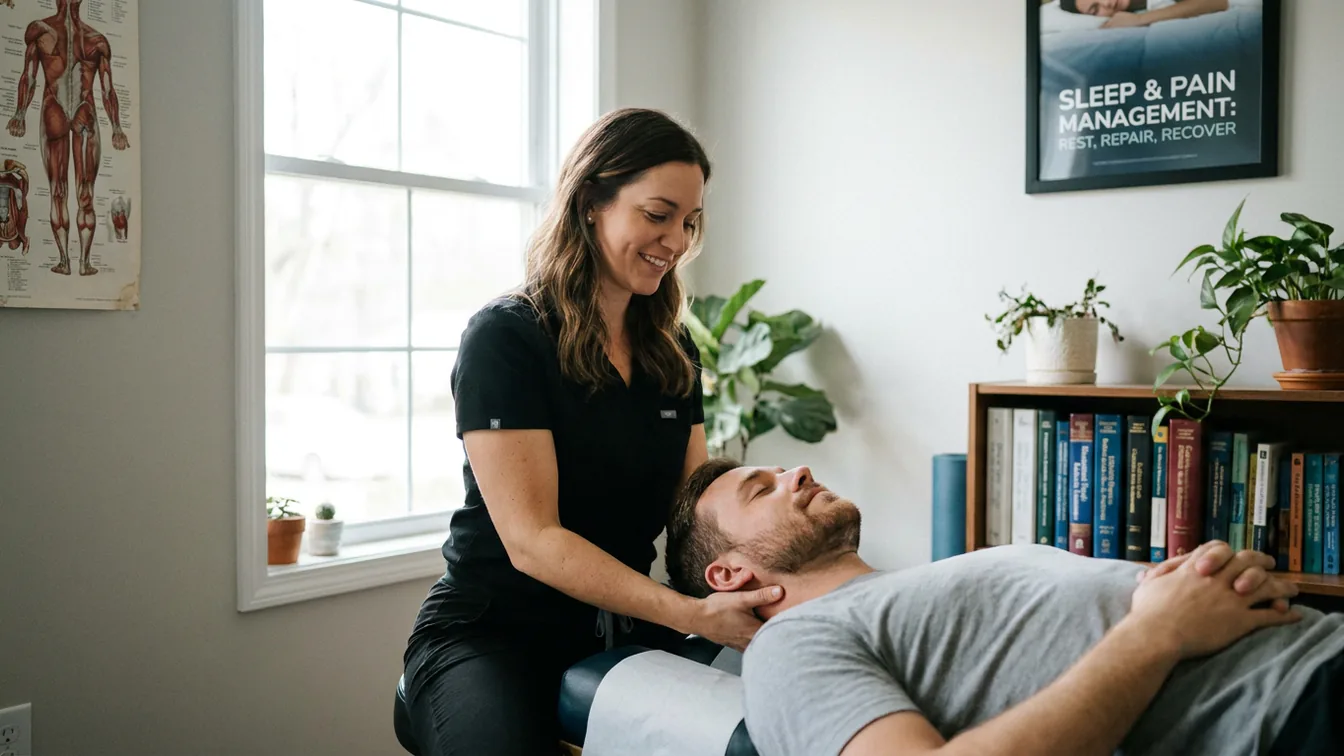
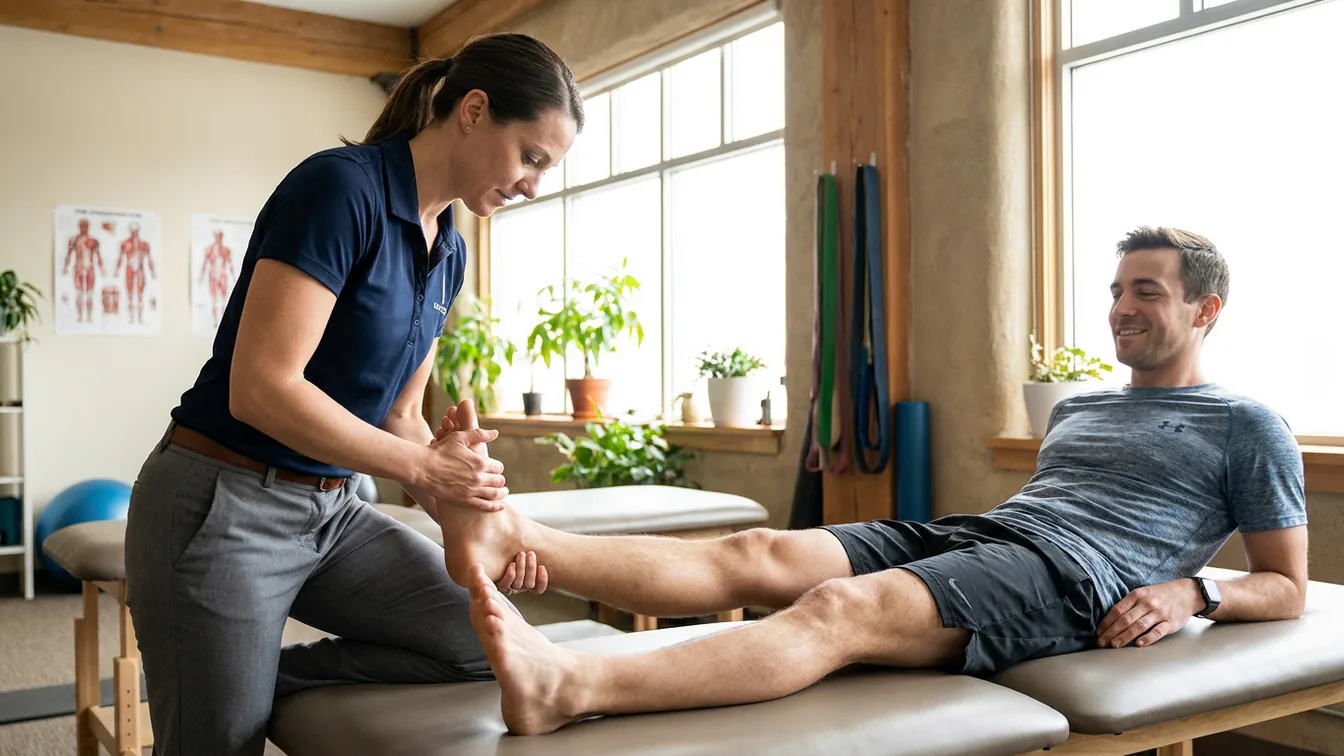
Specialized hands-on techniques help break up scar tissue, improve blood flow, and restore normal tissue function. Myofascial release, trigger point therapy, and instrument-assisted soft tissue mobilization can dramatically reduce pain and inflammation while promoting healing. These techniques also address compensatory tightness in connected areas like the calves and Achilles tendon.
Progressive Strengthening Programs
Weakness in the intrinsic foot muscles, posterior tibialis, and hip stabilizers often contributes to plantar fasciitis. Sports rehab provides structured strengthening protocols that rebuild these support systems. Exercises progress from basic toe curls and towel scrunches to advanced single-leg stability work and plyometric training.
Biomechanical Correction and Gait Analysis
Many people with plantar fasciitis have developed compensatory movement patterns that perpetuate their condition. Video gait analysis and movement screening help identify these issues, allowing practitioners to prescribe specific corrective exercises and movement retraining.
Flexibility and Mobility Enhancement
Tight calves, hamstrings, and hip flexors create a cascade of dysfunction that increases stress on the plantar fascia. Targeted stretching protocols, joint mobilization, and movement preparation exercises restore normal range of motion and reduce tissue tension.
Premier Joint & Spine has observed that patients who commit to comprehensive sports rehabilitation protocols typically experience significant improvement within 6-8 weeks, with many achieving complete resolution of symptoms within 12 weeks.
Advanced Recovery Strategies for Optimal Healing
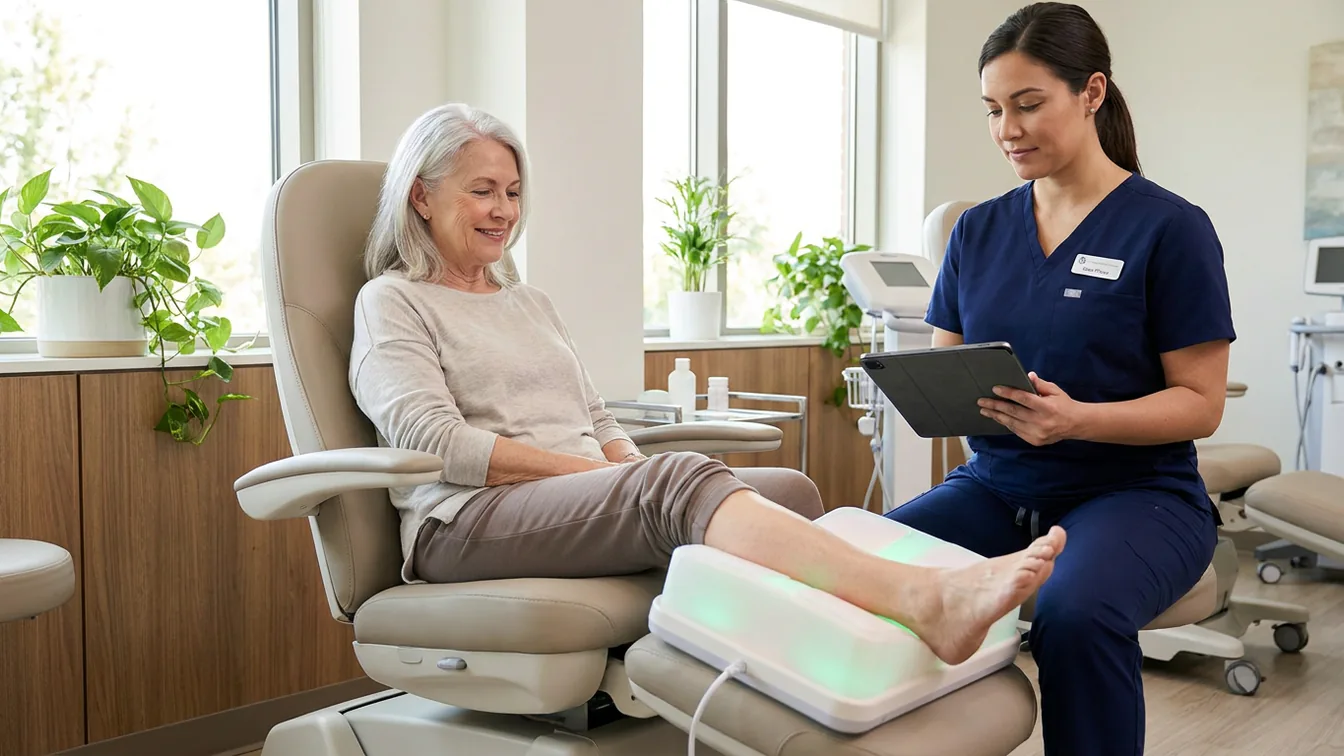
Beyond traditional rehabilitation techniques, sports injury rehab incorporates cutting-edge recovery modalities that accelerate healing and enhance treatment outcomes.
Therapeutic Exercise Prescription
Every individual presents with unique factors contributing to their plantar fasciitis. Sports rehab specialists design personalized exercise programs that address specific deficits while respecting current pain levels and functional limitations. These programs evolve as patients progress, ensuring continuous improvement without setbacks.
Load Management and Activity Modification
Returning to activity too quickly or continuing harmful movement patterns can derail recovery. Sports rehab provides clear guidelines for activity modification, helping patients maintain fitness while allowing tissues to heal. This might include transitioning from running to swimming temporarily, or modifying work stations to reduce prolonged standing.
Education and Self-Management Strategies
Knowledge empowers patients to take control of their recovery. Sports rehabilitation includes education about proper footwear selection, workplace ergonomics, warming up protocols, and early warning signs that might indicate potential flare-ups. Patients learn to perform self-mobilization techniques and maintain their exercise programs independently.
Nutritional Support for Tissue Healing
Inflammation management through nutrition plays a crucial role in recovery. Sports rehab practitioners often provide guidance on anti-inflammatory foods, hydration strategies, and supplements that support tissue repair and reduce systemic inflammation.
The integration of these advanced strategies ensures that patients don't just recover from their current episode of plantar fasciitis, but develop the tools and knowledge to prevent future occurrences.
Long-Term Success and Prevention Strategies
The ultimate goal of sports injury rehabilitation extends beyond pain relief—it's about building a foundation for long-term foot health and overall wellness. This preventive approach distinguishes sports rehab from other treatment methods and explains why it provides such lasting results.
Lifestyle Integration and Habit Formation
Sustainable recovery requires integrating healthy movement patterns and self-care practices into daily life. Sports rehab helps patients develop realistic routines that fit their schedules and preferences. This might include morning mobility sequences, workplace stretches, or evening recovery protocols.
Progressive Return to Activity
For Canton residents who enjoy hiking, running, or recreational sports, sports rehabilitation provides structured return-to-activity protocols. These programs gradually increase loading while monitoring for symptom recurrence, ensuring that patients can return to their favorite activities safely and confidently.
Ongoing Maintenance and Monitoring
Even after symptoms resolve, periodic check-ins help identify and address any developing issues before they become problematic. Many patients benefit from monthly or quarterly maintenance sessions that include movement screening and program updates.
Building Physical Resilience
Sports rehab doesn't just treat the current injury—it builds overall physical resilience. Improved strength, mobility, and movement quality benefit the entire body, often resolving other nagging issues and reducing the risk of future injuries.
The comprehensive nature of sports injury rehabilitation means that patients often report improvements in areas beyond their original complaint. Better balance, increased energy, improved sleep quality, and enhanced overall function are common secondary benefits.
If you're struggling with persistent heel pain and traditional treatments haven't provided lasting relief, sports injury rehabilitation offers a proven path to recovery. The specialized team at Premier Joint & Spine, located at 4001 Whipple Ave NW Suite LL02, Canton, OH 44718, combines evidence-based techniques with personalized care to help Canton residents overcome plantar fasciitis and return to active, pain-free lives. Don't let heel pain limit your activities any longer—comprehensive rehabilitation can provide the lasting solution you've been seeking.